168 Hours Time Management Technique to Utilize Work Hours
Key Takeaways:
-
The 168 Hours Technique treats your week as 168 total hours: track how you spend them, then budget fixed commitments first (sleep, work, essentials) and intentionally assign the remaining hours to your highest-impact goals during work time.
When we think about our week, we don’t really perceive it broadly. Even the most productive human on earth has the same 168 hours in a week. So, what’s the difference between that person and us?
Turns out, as the famous author, Laura Vanderkam, argued, that we don’t really plan our weeks ideally. We need to audit our weekly commitments, find out ways to optimize, and bring out the most from them!
How can you do that? This blog will help you figure out exactly that by taking inspiration from 168 Hours: You Have More Time Than You Think!
What the “168 Hours” Method Really Means
Productivity expert Laura Vanderkam, in her book 168 Hours, argues that we don’t lack time; we lack awareness and intentionality.
She opens her argument by showing simple math as a mythbuster.
8 hours of sleep per day + 50 hours of work per week = 106 hours
Hours remaining in the week = (168-106) or 62 hours
Now, you can clearly see that even with 50 hours of weekly work commitment and proper sleep, you are left with 62 hours. That’s a lot, if you spend it wisely.
I know, there can be tons of other commitments you need to take care of every day. Still, 62 hours is more than 2½ days.
The real issue is how you spend those remaining hours or days. On family time, leisure, or mindless TV watching or Netflix binging.
The book encourages readers to align time with core competencies and values. It can be a personal side project, practicing piano lessons, or focusing on your healthy eating habits and diet. Vanderkam urges people to live deliberately, not reactively.
“Time is what we want most, but what we use worst.”
– William Penn
Why Tracking Time Matters?
Before you actually begin to optimize your weeks, you need to understand where the time goes. It’s the most integral part of what Vanderkam talked about in her book. That’s why you need to start with tracking time.
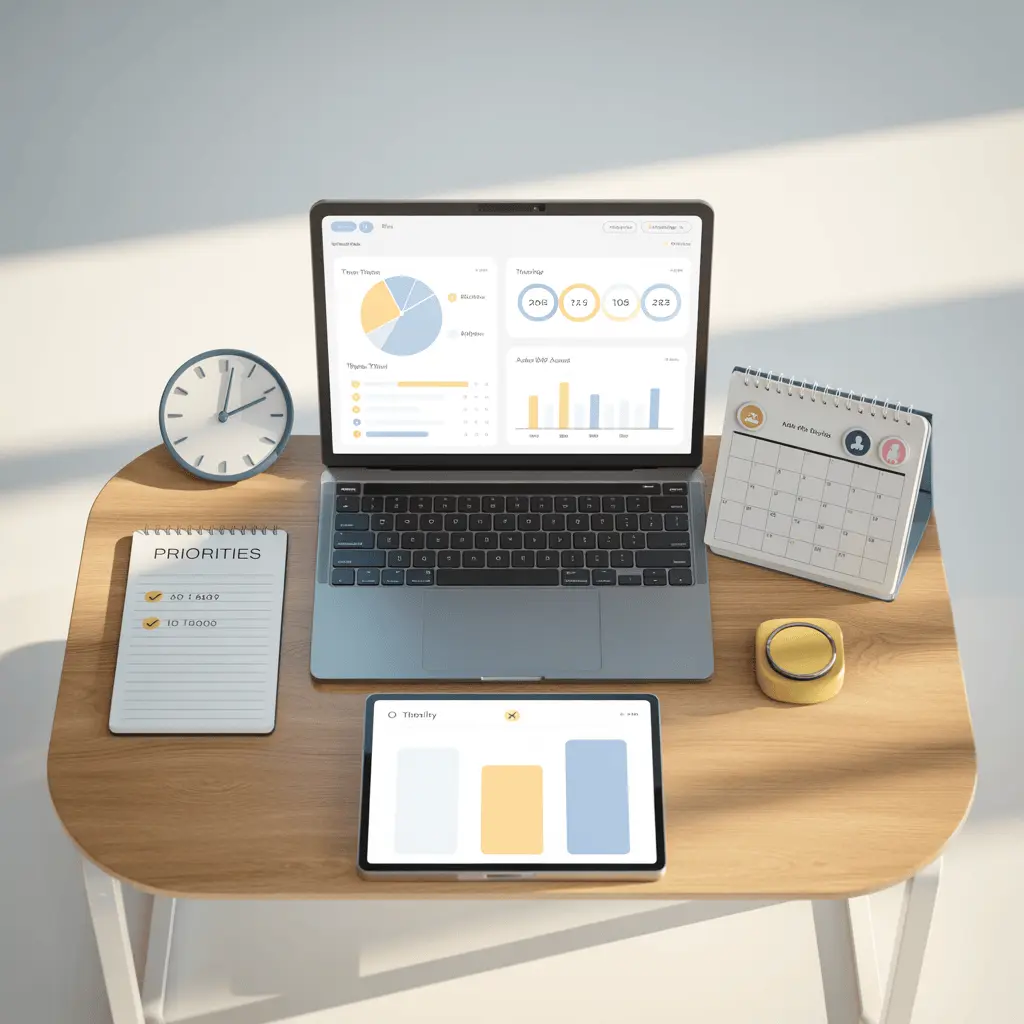
Accurate time tracking gives you:
- Clarity and Awareness: You can spot how much time is lost to distractions, unproductive meetings, or multitasking.
- Better Prioritization: With clear data, it’s easier to focus on your core competencies and delegate the rest.
- Improved Work-Life Balance: Recognizing when you’re overworking helps you balance work and family time properly.
- Smarter Scheduling: Activity logs can reveal your peak productivity hours and suggest ways to optimize them further.
- Goal Measurement: You can see progress on side projects, learning goals, or even your bucket list over time.
Essentially, tracking time is the foundation of Vanderkam’s philosophy — you can’t manage what you don’t measure.
Discover your teams’ real productivity patterns
How to Bring the Best out of Your 168 Hours
If you are trying to make the most out of your days, you need to visualize it by taking a wider range. And the best way, as Laura Vanderkam showed, is by planning the week instead.
Here’s how you can start optimizing too:
Track Your Time and Face the Truth
Before optimization comes the realization. Or, you need to clearly set a plan that you will be able to follow. Vanderkam’s first recommendation is to keep a time log for one full week. Whatever it is that you do - work, meals, family, Netflix, even grocery shopping online, or traffic delays - clock it every 30 minutes.
Most people become livid when they find out how much time they’re losing due to distractions and low-effort tasks. Studies reveal that employees are productive for only 2 hours and 53 minutes per day. That’s almost 40% time lost, just in the workplace.
That’s why time tracking tools matter. While it’s mostly used for office work, you can actually maintain a personal tracker as well! It gives you a total insight into how much time you're spending on productive tasks, on which apps, and the idle time. Once you get the hang of it, you will realize how much room for improvement there is.
Once you collect a week’s worth of data, you can apply the Eisenhower Matrix — separating tasks into that famous 2x2 matrix. This helps you decide which tasks need to be prioritised, which can be delegated to a virtual assistant, and which to forget about completely.
Find your productivity leaks, start free
Focus on Your Core Competencies
In 168 Hours, Vanderkam urges people to capitalize on their core competencies, according to the time they have. Now, what exactly is the core competency?
The tasks and skills that drive your personal and professional success. Basically, anything from writing code to creating art should be prioritised if you don’t want to regret it later.
A study by Gallup clearly highlighted that workers who use their strengths daily are 6 times more engaged and less likely to quit their jobs. That’s what Vanderkam means by “investing in your best work.”
That’s why you need to focus on what you do best, and then drive more power through it! Don’t waste time doing menial or low-priority tasks every hour. You can do the same for your household.
Outsource or automate - from using pre-made foods or a crock pot for quick dinners to delegating admin to a virtual assistant. It’s not about avoiding your responsibilities; it’s about perfecting yourself.
Redefine Work-Life Balance
We all like to think that we need to be there for our family every day of the week. But Vanderkam is not fully supportive of that. She suggests that maintaining the daily work-life balance is tough, but not if you consider the weekly balance.
Some days of the week you’ll need to focus more on work, while other days you will have enough time for your family and friends. So, you need to think about how you can do that.
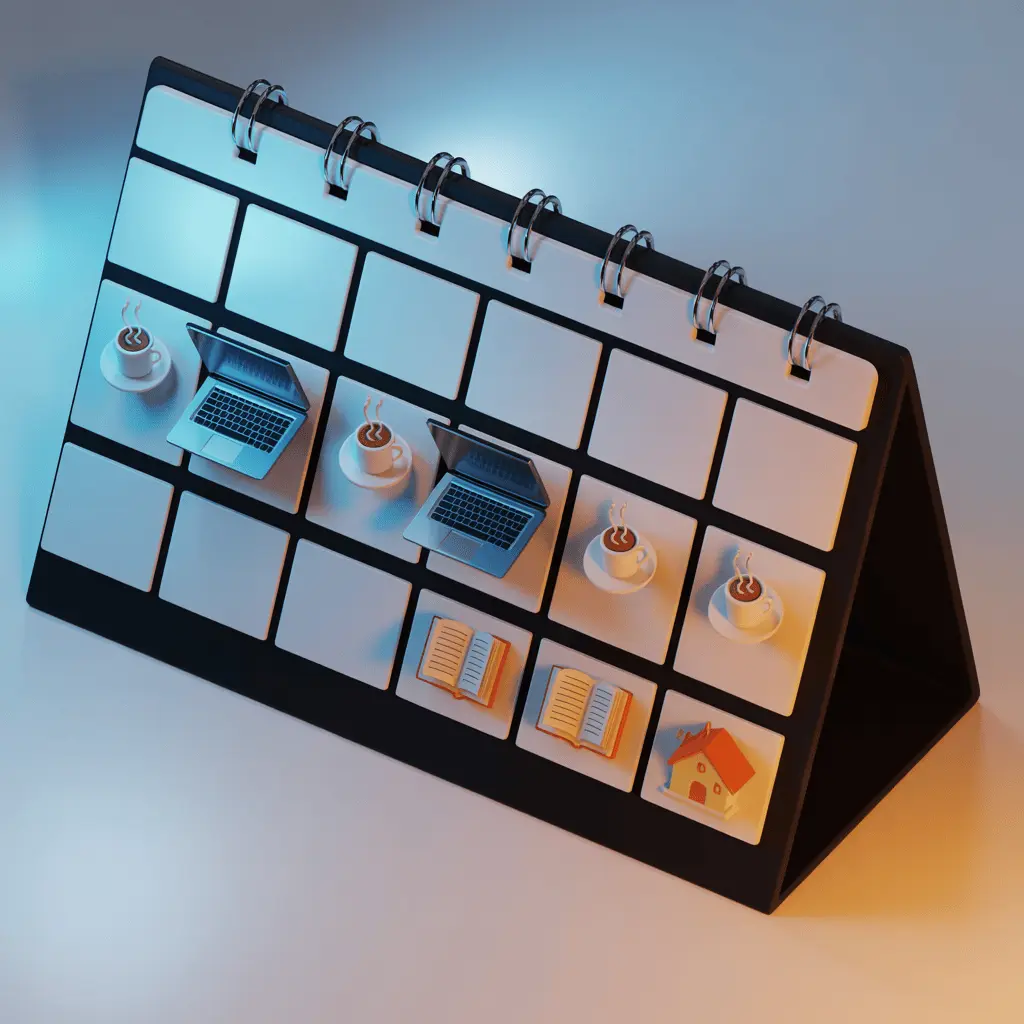
The solution isn’t perfection; it’s awareness. You can easily work out your weekly commitments with Apploye’s weekly dashboard. It lets you visualize how work spreads across weekday evenings or weekend days.
You can then shift accordingly — more family time on Fridays and weekends, deeper work sessions midweek. This way, you will actually find yourself working more diligently and looking forward to the quality time you’ll spend with your family.
Visualize how your work week really looks
Prioritize Before Filling Time
People often start with what’s urgent instead of what’s important. Vanderkam and many productivity experts agree: you should schedule your top priorities first, then let smaller tasks fit around them.
Research shows 28% of work time is lost to email and 10% in meetings. By scheduling around your most meaningful work - say, writing, creative projects, or learning, you reclaim hours otherwise buried in noise.
Spot your productivity killers instantly
Use Small Blocks of Time Wisely
How often do you use the breaks or traffic delays to do something fruitful or productive? In this age of social media, whenever we find the time, we just quickly open Instagram, YouTube, or TikTok.
Instead of defaulting to social media or passive scrolling, use them for micro learning, quick workouts, or calls with family. Just think about it. You are expecting long work hours. If you just take a small break to talk to your parents, that’s more than enough to maintain a healthy relationship.
Furthermore, over time, those reclaimed moments compound into hours. You can easily use it for side projects, bucket list tasks, or deliberate practice that strengthens your craft. Try it once, bake it into your system, and you’ll soon realize how cathartic it feels!
Quality Over Quantity in Family & Leisure Time
“Work more efficiently to make space for what really matters,” Vanderkam advises. At the end of the day, we all long for the familial touch, and that's what truly matters.
Quality time with family or meaningful leisure time matters more than mere hours spent together.
It does not have to be a grand event. An outdoor picnic, a crockpot dinner, or even a house cleaning initiative can be more than enough. You can plan almost anything, and I’m sure your family will love it when you actually mean it.
Manage Energy, Not Just Time
Time is fixed, but energy fluctuates. Vanderkam reminds readers that energy management is the key to maximizing output within your 168 hours.
Studies show that even minor sleep loss reduces productivity by up to 9%. That’s why she emphasizes sleep, healthy eating habits, and optimizing when you do deep work.
Design Your Ideal Week
All the tips for optimizing your time that I mentioned earlier, you need to do that for at least a week or two. Then, you will be able to tell what your ideal week looks like. Once you have a map ready in your head, you can easily jot down the patterns and plan accordingly.
As Vanderkam suggests, “Make every week reflect your true priorities.” Even a tiny change, such as consuming 30 minutes less TV and 1 hour more family time, is enough to make your life better. Seems hard to believe? Just try, and you’ll see the difference.
Conclusion
The 168 Hours Method isn’t about squeezing more work into your day. It’s about making the most of your time by considering your core competencies, priorities, and values.
Build and track your ideal week with Apploye
Frequently Asked Questions
What is the 168 Hours method?
The 168 Hours method, developed by productivity expert Laura Vanderkam, is based on the idea that everyone has 168 hours in a week. By tracking and prioritizing how you use them, you can align your schedule with what truly matters — family, career goals, and personal growth.
How does time tracking help improve productivity?
Time tracking creates awareness of how you spend your hours. It helps identify distractions, optimize routines, and ensure you’re spending more time on core work instead of repetitive or low-value tasks.
How can I apply the 168 Hours method in daily modern life?
Start by keeping a time log for one week. Use tools like Apploye to record your time automatically, analyze where it goes, and redesign your schedule to prioritize your core competencies and meaningful activities.
Is work-life balance really achievable?
Yes, but not daily. Vanderkam suggests viewing balance weekly — some days will lean toward work, others toward family or leisure. Tracking time helps maintain this healthy rhythm without burnout.
How can Apploye help implement the 168 Hours strategy?
Apploye automates time tracking, categorizes work by projects or activities, and shows detailed productivity reports. It helps you see your actual 168-hour breakdown, spot inefficiencies, and make better use of your week.
What are some tips for optimizing your time each week?
Batch similar tasks, schedule priorities first, automate repetitive chores (like grocery shopping online), use your high-energy hours for deep work, and protect evenings or weekends for family and rest.
How do I make more quality time for my family?
Audit your week to see where hours are wasted — on TV watching, traffic delays, or last-minute meetings. Then schedule protected family blocks, even short ones, to ensure consistent connection.
What if I feel too busy to track my time?
That’s exactly when you need it. Most people overestimate their working hours by 20–30%. A week of tracking with Apploye can reveal hidden hours that can be redirected toward your goals or leisure.
How can I maintain motivation for long-term time management?
Revisit your time logs monthly, set small measurable goals, and celebrate progress — whether it’s spending more time on side projects, improving healthy eating habits, or achieving better work-life balance.
About Author