What Problems Does Time Tracking Solve? 6 Common Business Challenges
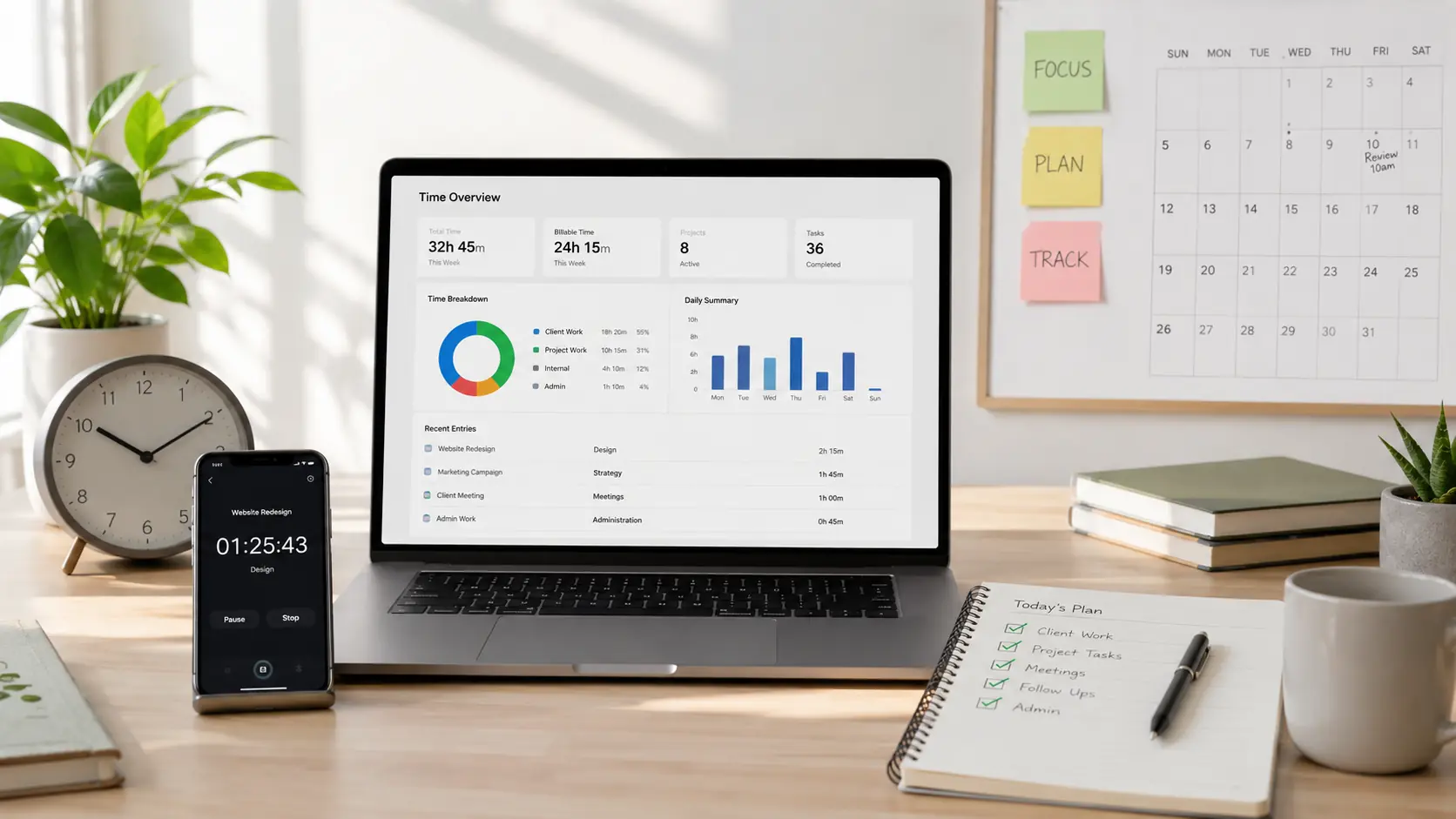
We all get excited by the output our team or we bring to the table. But often we forget that these projects may keep going over budget, some employees may be working late, or a task that should take a few hours may take an entire day!
These problems are often difficult to spot without proper time data. The best time tracking tools give you a clearer picture of where your team's hours are going. Let’s learn more about the major business problems that time tracking solves.
6 Common Problems Time Tracking Solves
1. Accurately Tracks Your Billable Hours
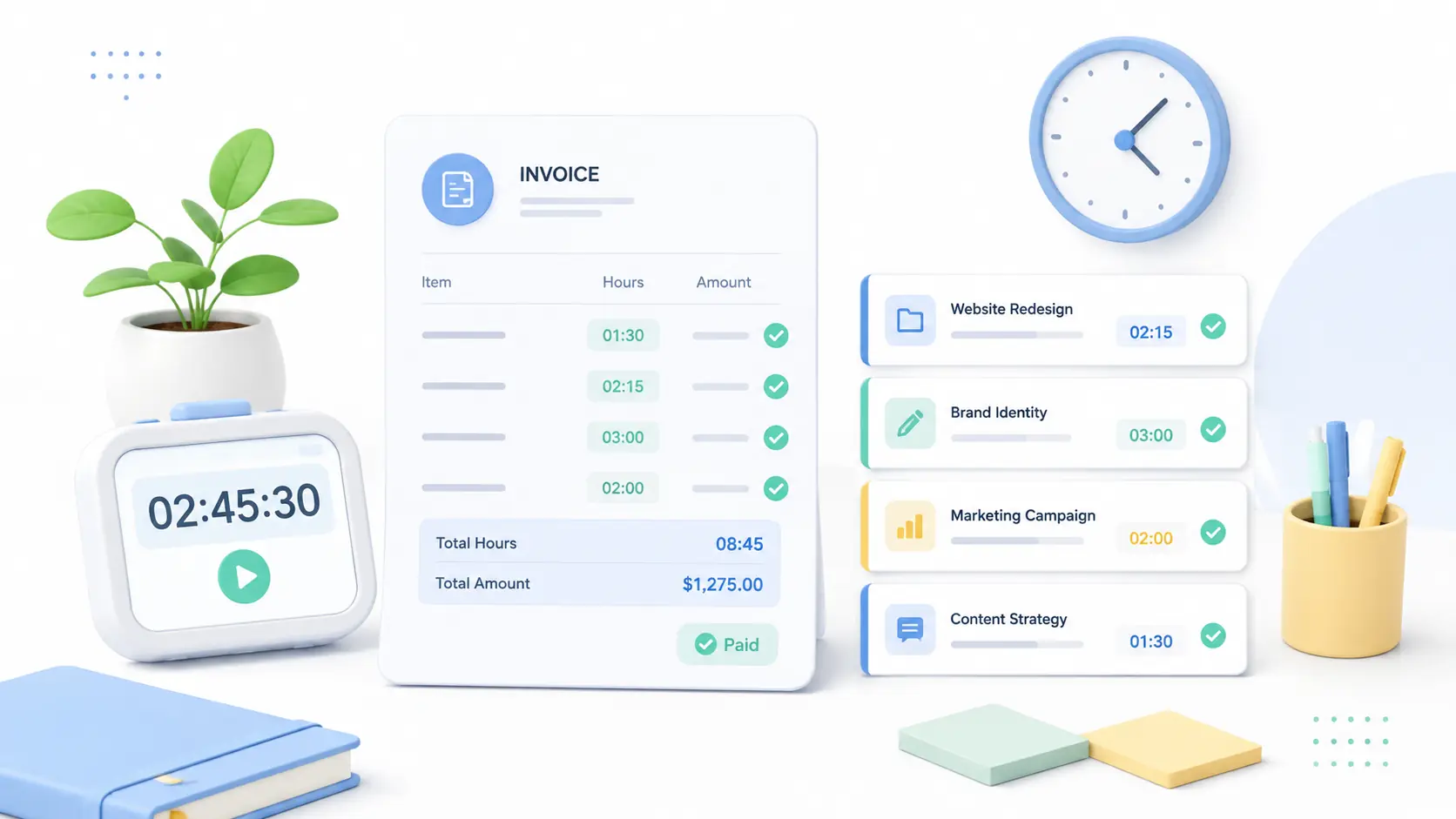
Working hours are a most important part of work nowadays, especially if you charge clients hourly. But time tracking accurately and always on time without messing up is a challenge. Even that constant pressure to keep records requires extra focus and effort, and may break your dedicated work focus.
Here, using time tracking apps keeps a record of those hours, so you have a more accurate picture of the work completed for each client. It also makes invoicing easier because you can bill clients based on actual hours instead of relying on memory or manual records.
For employees and freelancers, it also means the hours they worked do not go unnoticed.
Track billable hours without manual effort
2. Detects Underpriced and Unprofitable Projects

Have you ever finished a project and realized that it took more time than expected? Well, this happens most of the time when working on projects without understanding the time it takes.
But if you use time tracking here, it will help you see how much effort actually goes into each project. You can compare the hours worked with the amount you charged and find out if the project is giving you a healthy return.
This information becomes useful for future projects. You can set better prices, avoid underestimating the work, and identify projects that may not be worth taking on.
3. Solves Overtime Management Problems
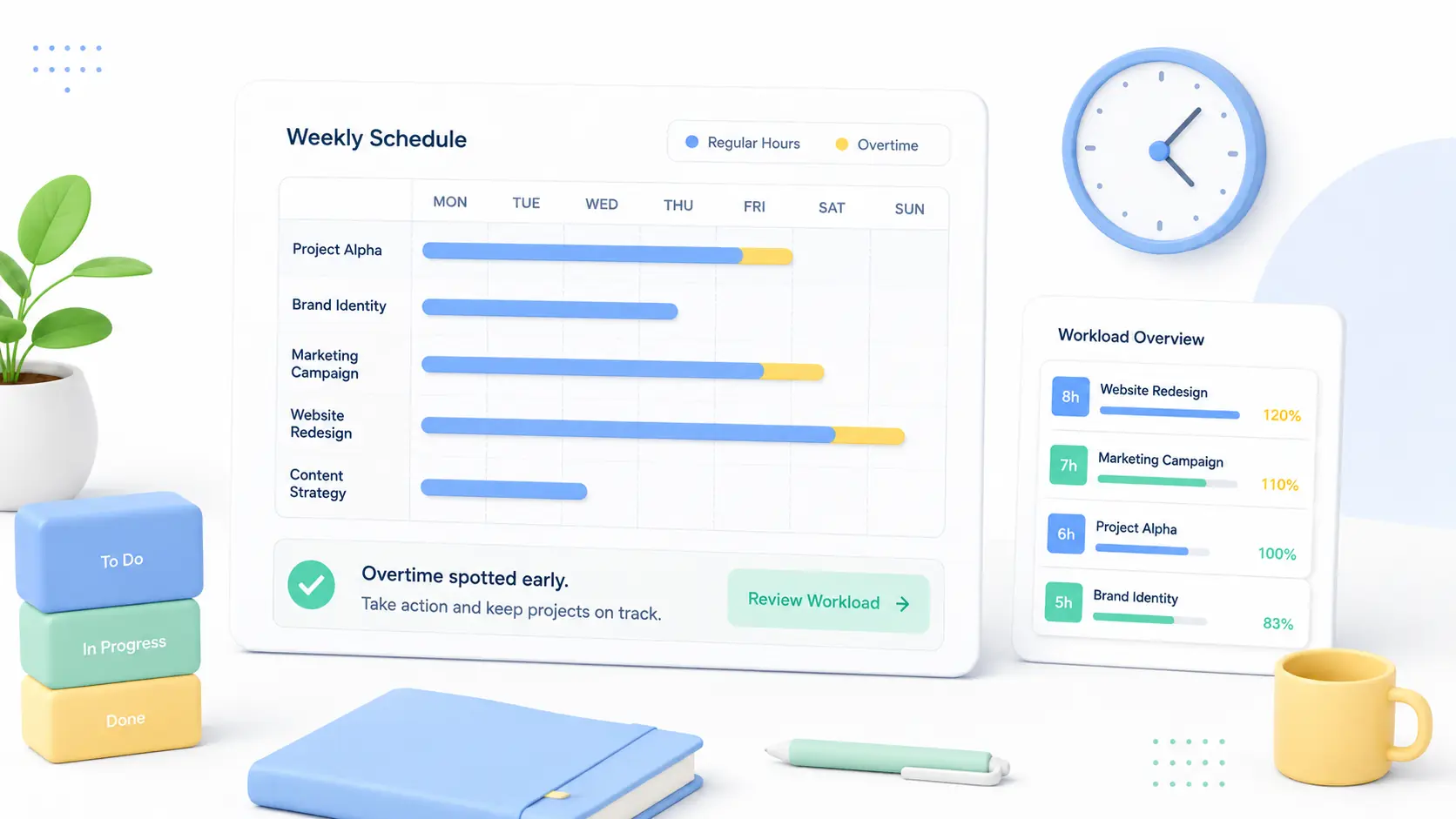
At first, a little overtime here and there may not seem like a big problem. But if the same employees are regularly working late, it can increase your labor costs and eventually affect their productivity and well-being.
Time tracking makes these patterns easier to notice. You can see who is working extra hours and which projects or tasks are taking up that additional time.
With that information, you can adjust workloads, review deadlines, or bring in extra help before overtime becomes a regular problem.
4. Figure out Work Bottlenecks
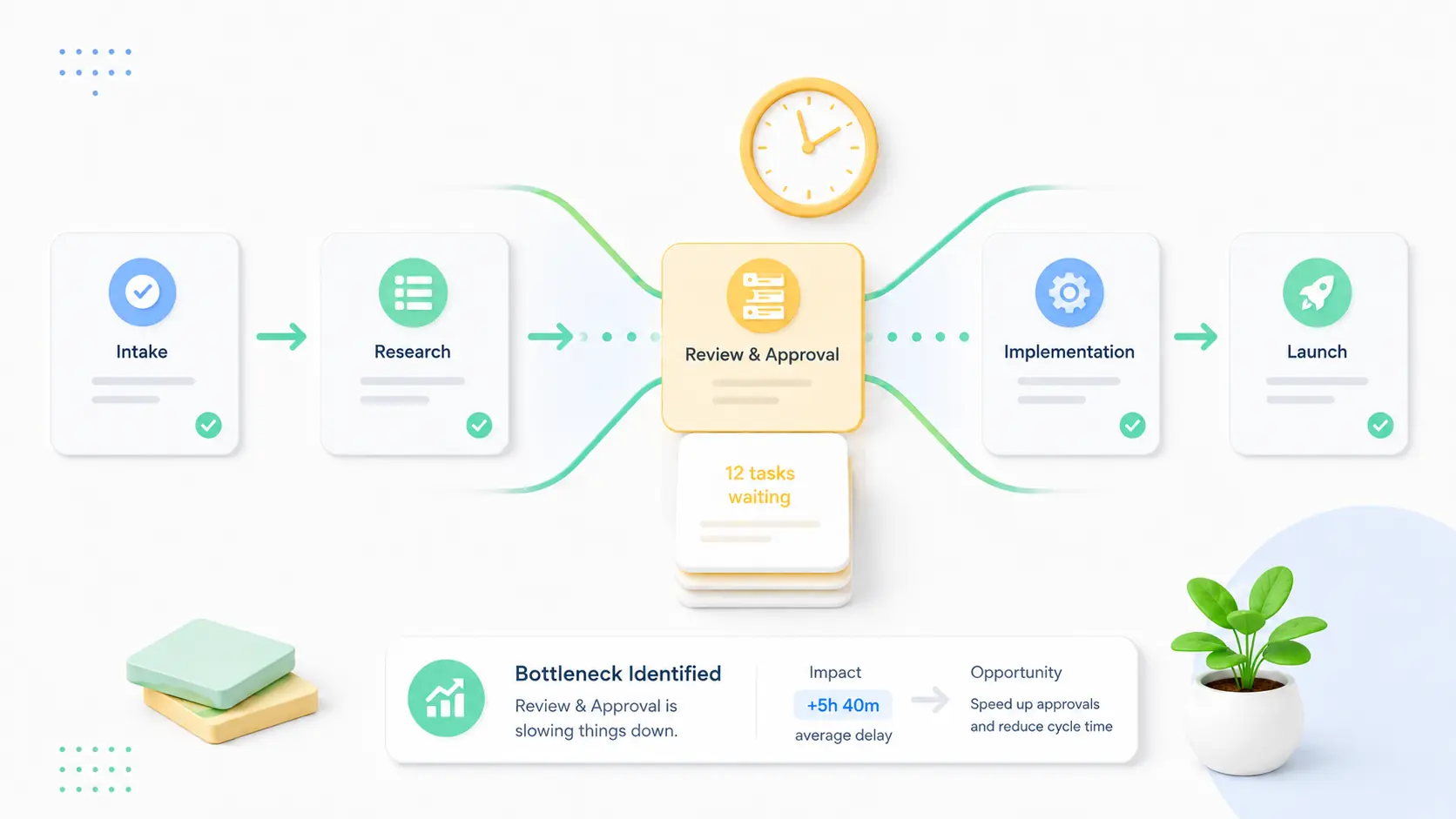
Time tracking can help you find where that extra time is going. If one stage of a project consistently takes much longer than others, you have a clear place to investigate.
You can then improve the process, move resources around, or find a better way to handle that particular task.
Find bottlenecks before they slow projects down
5. Task Overloads
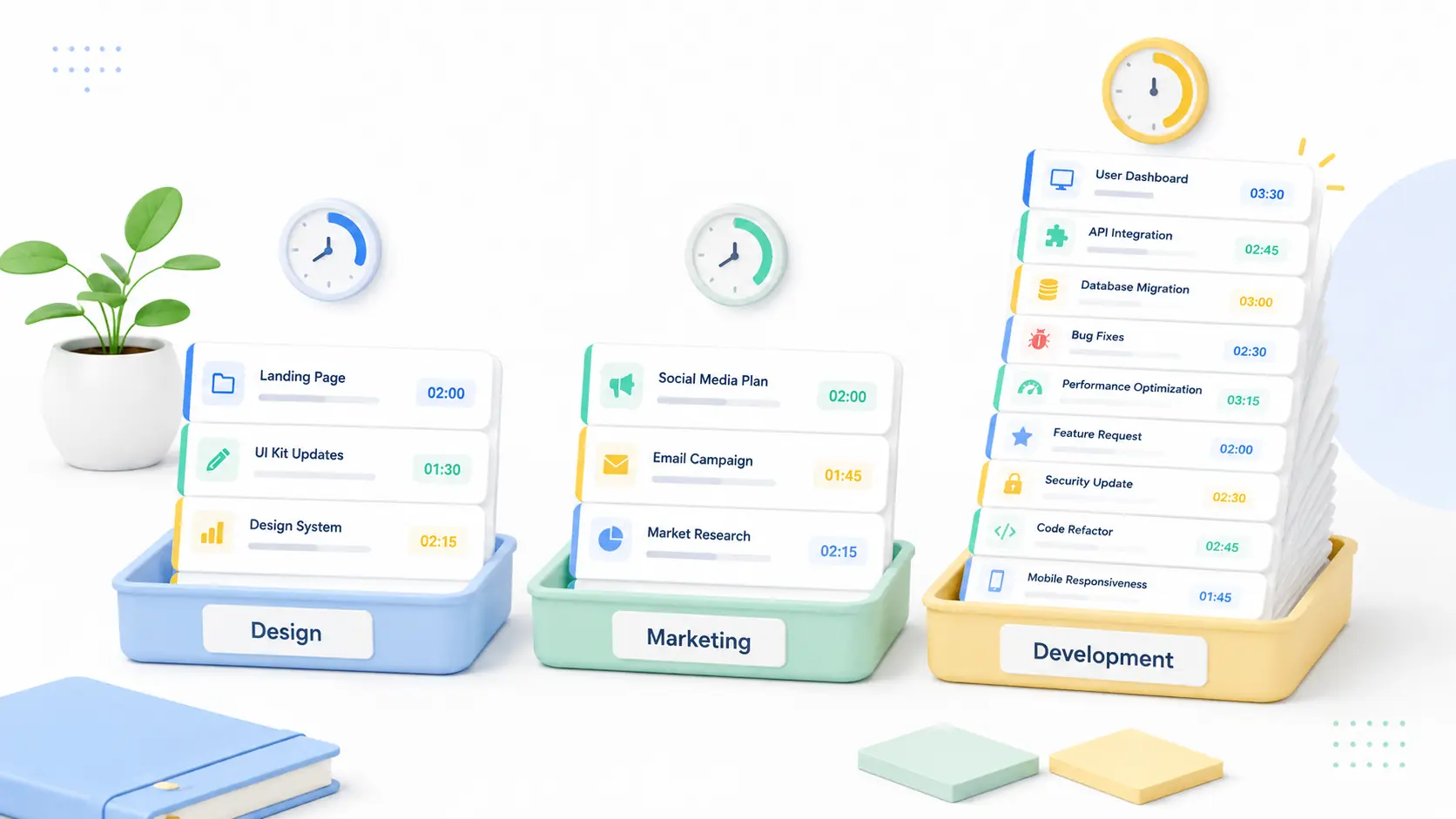
Time tracking gives you a better view of the actual workload. You can see how much time employees are spending on different projects and identify people who may be taking on more work than they can reasonably handle.
This makes it easier to distribute tasks more fairly and prevent workloads from becoming overwhelming.
6. Bad Project Estimations
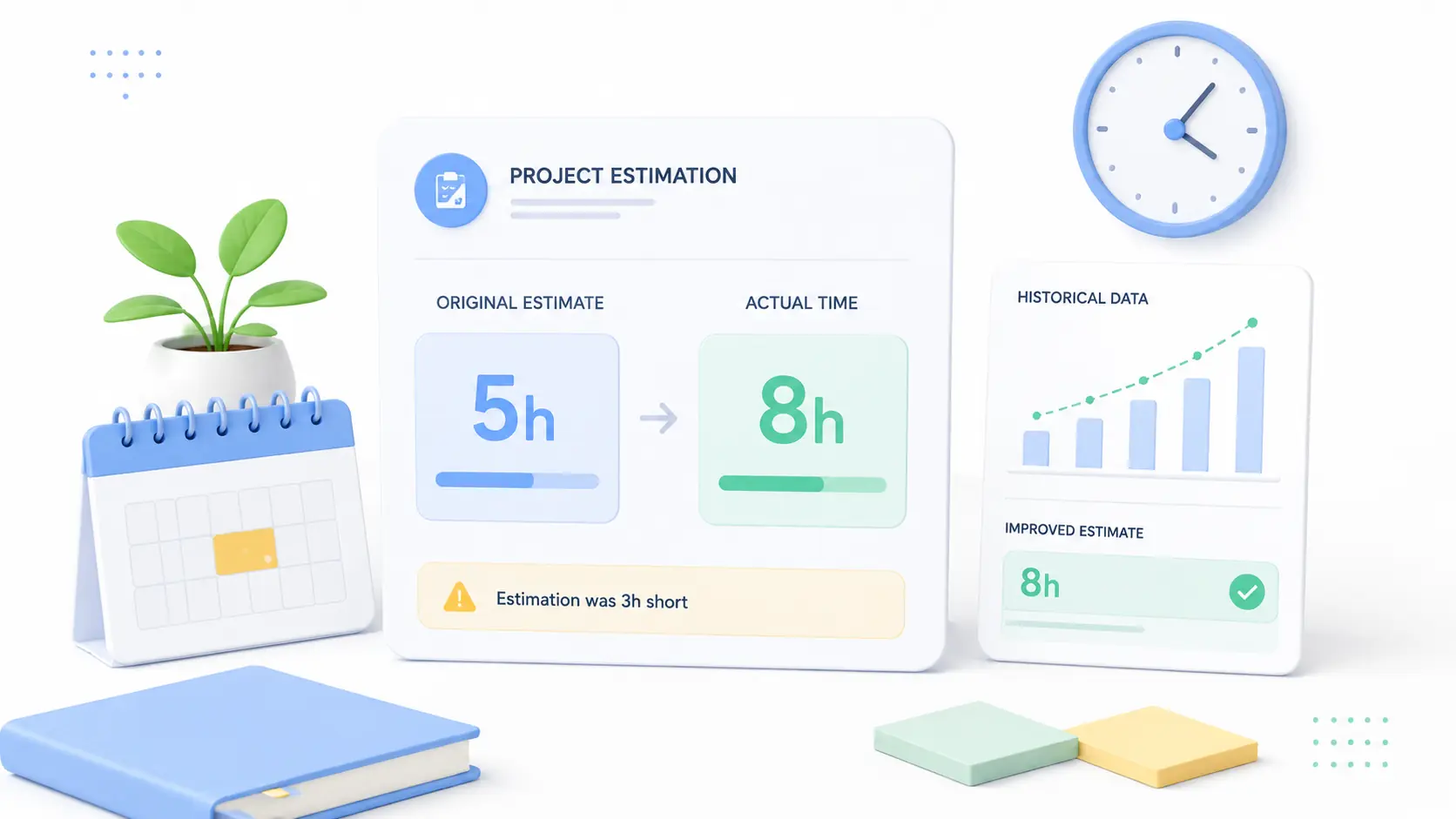
Project estimates are often based on previous experience or simple assumptions. But those estimates can be far from reality.
For example, you may expect a particular task to take five hours because that is how long you think it should take. Your team might actually need eight hours to complete it properly.
Time tracking gives you real data from previous projects. You can use that information to understand how long similar tasks actually take and make more realistic estimates in the future.
Over time, your deadlines, budgets, and project plans become more accurate.
Build better estimates from real tracked hours
Frequently Asked Questions
How do I solve business problems through a time tracking tool?
Start by identifying where your business is losing time or money. A time-tracking tool can show you how long projects take, where employees spend their time, which tasks create bottlenecks, and where overtime occurs. You can then use this data to improve project estimates, manage workloads, set better prices, and control costs.
What are the free time tracking software programs?
Several time tracking tools offer free plans, including Clockify, Toggl Track, and Apploye time tracker. The available features and user limits vary between platforms. If you need a free option for a small team, compare the pricing plans to see which one gives you the features you actually need.
Is time tracking good for employees?
Yes. Employees can use the data to understand their work patterns, measure effort behind a task, and even identify heavy workloads using time tracking solutions. But the key to making time tracking good for employees is to remain transparent about what data is being recorded so employees don’t feel pressured or misjudged.
About Author