What Employees Are Okay With When It Comes to Monitoring
Key Takeaways
-

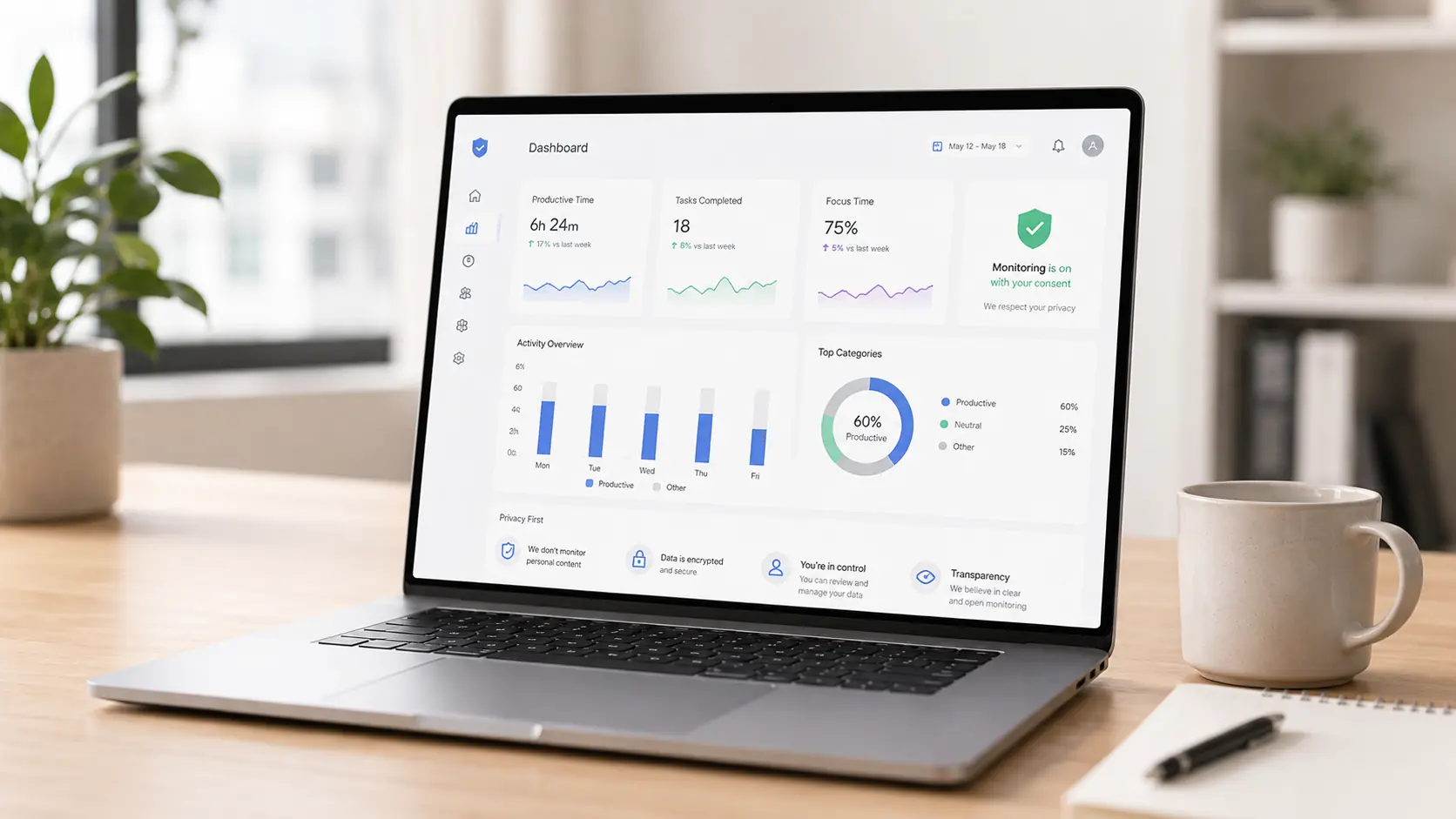
Employees accept monitoring when the purpose is disclosed upfront, the data stays high-level, and they can see their own results.
-
Undisclosed monitoring measurably raises stress, and disclosed monitoring does not.
-
The procedure for accepting monitoring is to disclose first, name the purpose, limit scope to work, and give employees access to their own data.
Employees accept monitoring when it's disclosed upfront, aimed at a stated purpose, and limited to work activity. They reject it when it's hidden, vague, or used to punish small mistakes. The rest of this guide breaks that answer down with the data, the law, and the exact line between the two.
What Employees are Okay With When It Comes to Monitoring
Employees are okay with monitoring when three specific conditions are met.
First, the employer names the purpose before tracking starts: security, compliance, or workload balance, not a vague "productivity" catch-all.
Second, it only collects high-level data, such as hours worked and app usage, instead of keystroke logs or constant screenshots.
Third, employees can see their own data and use it to advocate for themselves, not just get judged by it.
According to Accenture's research, most employees accept broader data collection specifically when it's tied to a clear benefit for them. Remove any one of these three conditions, and the same tool acts as surveillance instead of support.
What Employees Accept
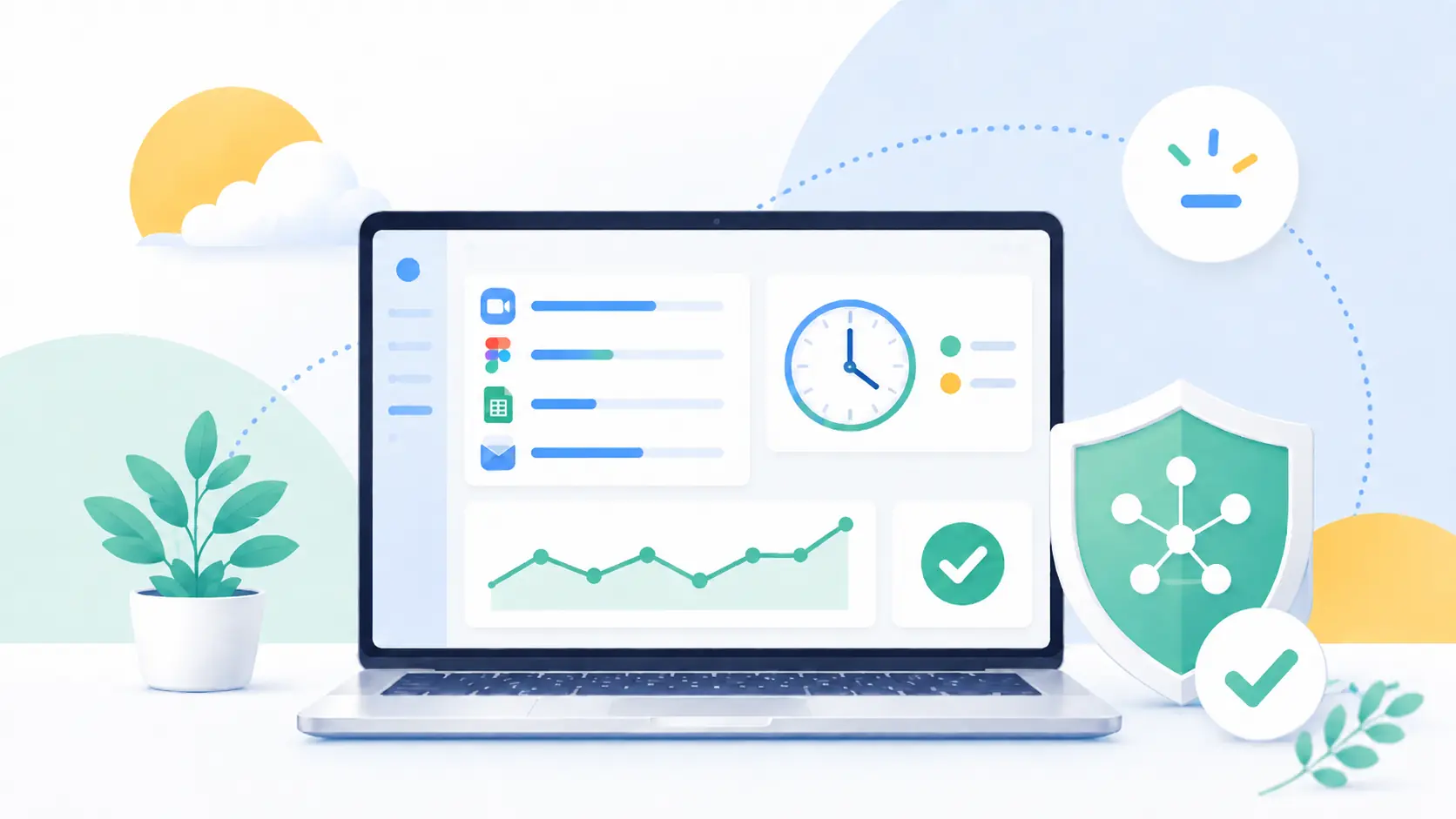
The same categories show up across every major workforce survey.
Pew Research Center's findings show that employees judge monitoring based on its purpose, not just the technology being used. Context and transparency have a direct impact on whether monitoring is viewed as reasonable or intrusive.
In one scenario, researchers described workplace security cameras installed after recent thefts. In that context, 54% of adults said the monitoring was acceptable, while only 24% disagreed. The technology did not change; the stated business purpose did.
This demonstrates a consistent principle in workplace monitoring. Employees are significantly more likely to accept monitoring when employers clearly explain why it is necessary and how the data will be used.
See how ethical monitoring can work for teams
What Employees Reject
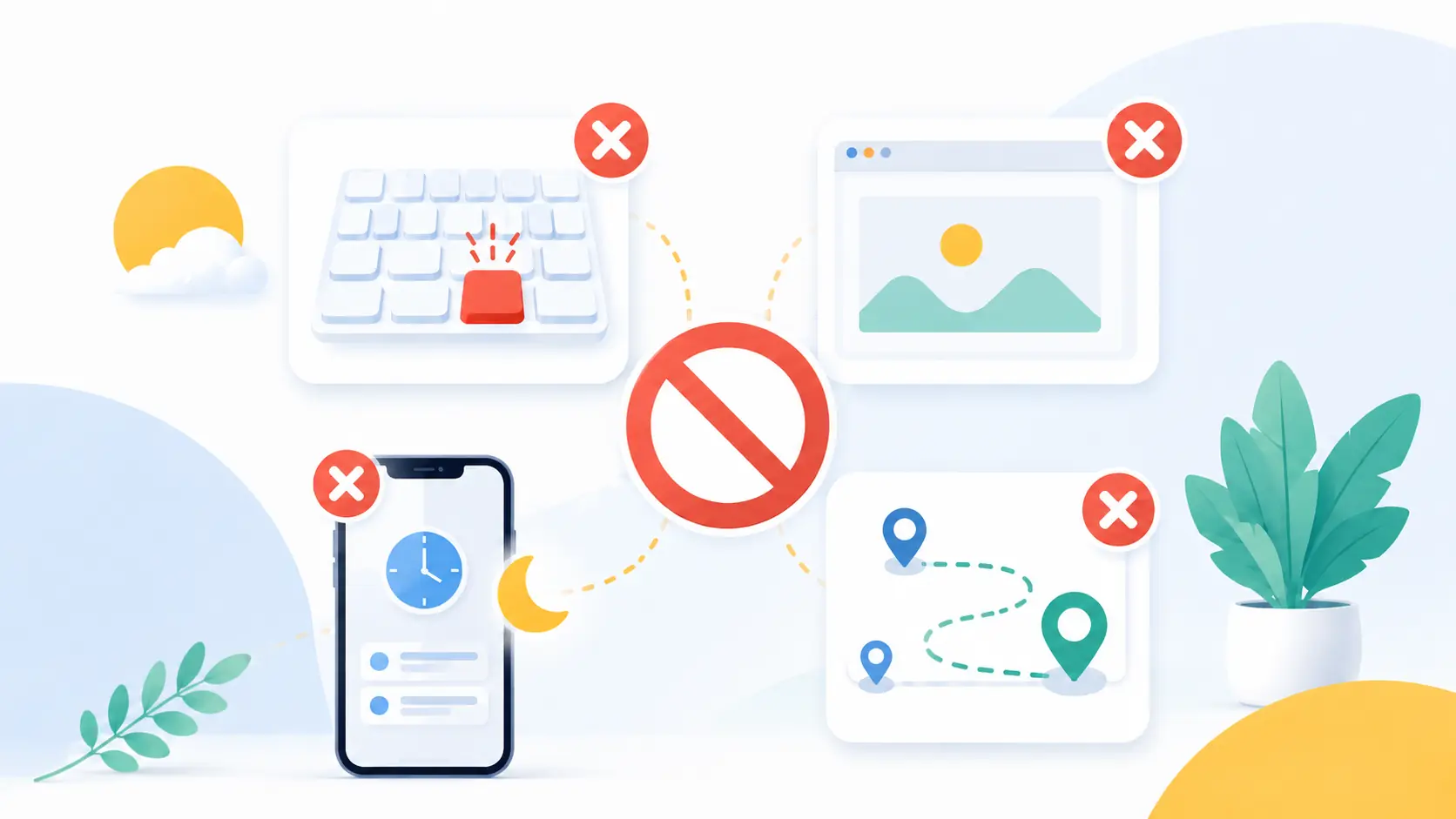
The line breaks in the other direction just as consistently.
Overall, 61% of U.S. adults oppose employers using AI to track workers' movements, and 56% oppose AI monitoring of desk presence.
Resistance is even stronger when monitoring data affects employment outcomes. 55% oppose using AI-generated data in termination decisions, and 47% oppose its use in promotion decisions. Only 14% support AI playing a role in firing employees.
Therefore, the pattern is clear that employees are more willing to accept monitoring for operational purposes than for high-stakes decisions that directly affect their careers.
Give employees visibility into work data
The Threshold That Decides Everything
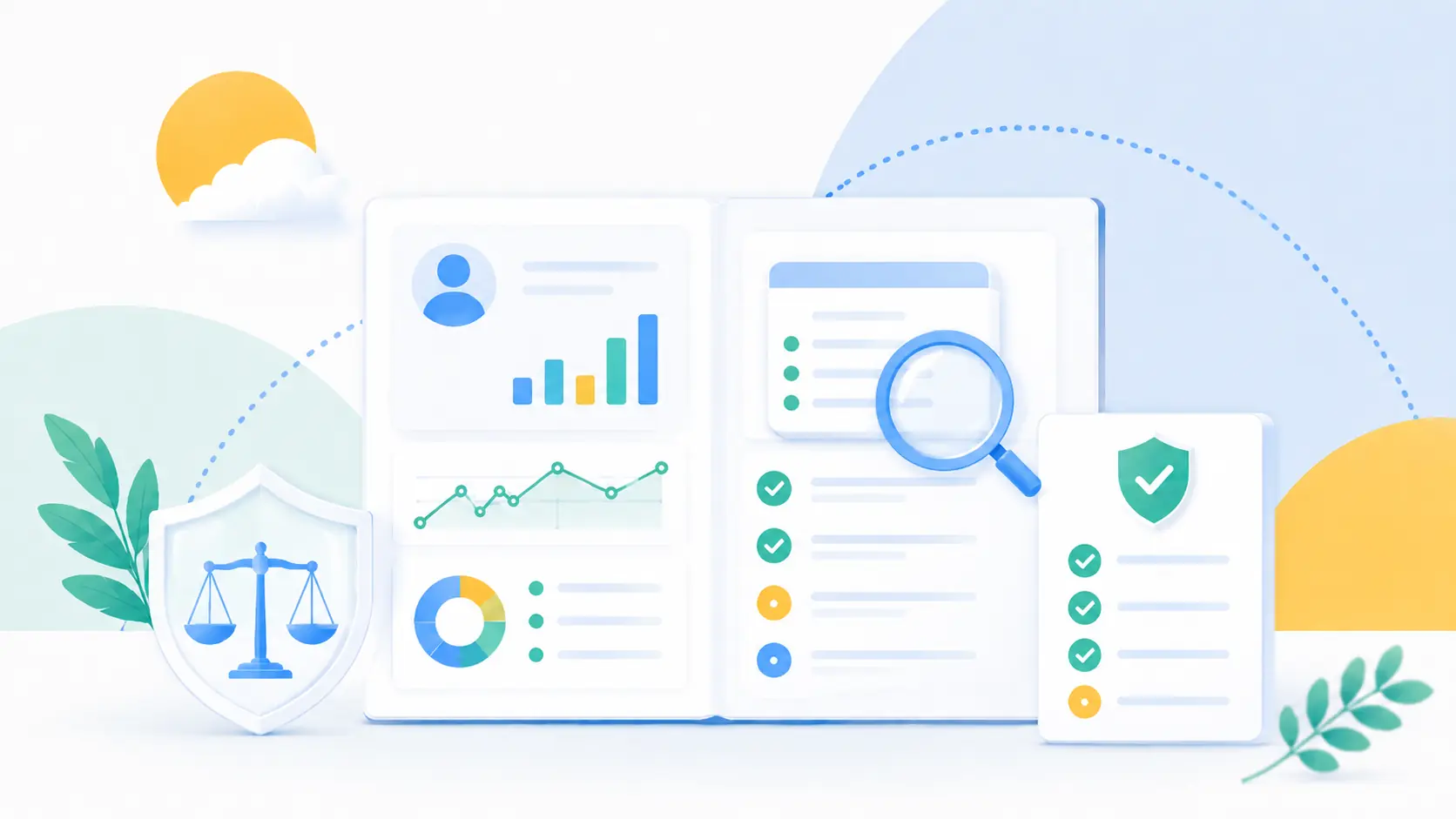
Transparency is what separates helpful monitoring from workplace surveillance. Research consistently shows that employees are more likely to accept monitoring when employers clearly explain what is being tracked, why it is being tracked, and how the data will be used.
Employees also need access to their own monitoring data. When people can review the information used to evaluate their work, the data becomes a tool for feedback and improvement. Without that visibility, monitoring can feel like a one-sided judgment rather than a fair performance review.
The impact of transparency is measurable. Survey data from Gartner shows that stress levels increase by about 18% when employees are informed about monitoring in advance, compared with about 62% when they discover it after the fact. The monitoring system stays the same. What changes is whether employees receive clear communication before it begins
That difference is the tipping point. When monitoring is transparent and tied to a clear business purpose, employees are more likely to see it as a management tool. When it lacks transparency, the same technology is more likely to be viewed as surveillance.
Build trust with clear, work-focused tracking
The Bottom Line
None of the data above says monitoring is good or bad. It says something more specific: the same tool produces close to opposite outcomes depending on one variable, whether the person being tracked knew about it before it started and can see what it shows.
Frequently Asked Questions
Is it appropriate for employers to monitor employees?
Yes, when it serves a stated business reason, it stays limited to work activity, and employees know about it beforehand. Monitoring without disclosure or purpose crosses into surveillance.
Can you be monitored at work?
Yes. U.S. employers can monitor company-owned devices and networks under the ECPA's business-purpose exception. Several states also require written notice before monitoring begins.
How are staff monitored?
Common methods include time tracking, network and email monitoring, security cameras, GPS on company vehicles, and activity or screenshot software installed on work devices.
How do employees feel about being monitored?
Feelings split by transparency. Disclosed, purpose-driven monitoring gets broad acceptance. Undisclosed or vague monitoring raises stress, lowers trust, and increases resignation intent.
How can I tell if I'm being monitored at work?
To detect monitoring software, check your employee handbook, onboarding paperwork, and IT policies for monitoring notices. Visible cameras, monitoring software icons, or a required company VPN are also signs.
Can my boss watch me on camera all day?
Often legal on company property, but continuous monitoring without a stated purpose is the type employees reject most. Some states require a posted notice.
Is being monitored at work harassment?
Not by itself. Monitoring becomes harassment when it singles out one employee unfairly, ignores stated policy, or is used to intimidate rather than manage performance.
What are signs you're not valued at work?
Feeling unseen despite good work, getting no feedback beyond raw metrics, and having decisions made about you without input. Heavy, unexplained monitoring often triggers this feeling.
About Author