I Cut Team Meetings by 20% and Productivity Jumped 30% - Here's the Data that Convinced My CEO
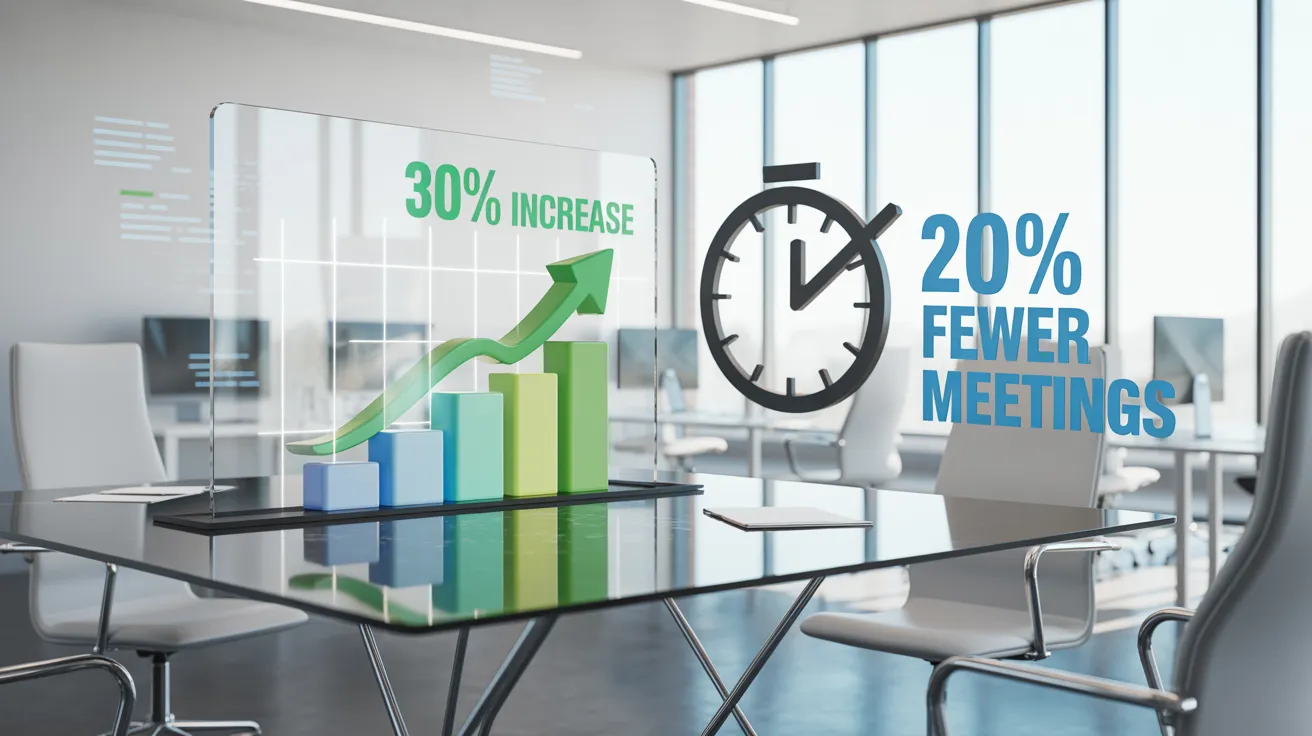
I joined my new company just 6 months ago! And I was shocked seeing the number of meetings the entire office goes through every day!
I knew it was killing everything, but with no proof!
So, I decided to implement something new that can give me real data on this entire team's workflows!
The outcome shocked everyone! And the result after fixing that headache? Outblasted the entire workplace productivity by 30%
The Real Cost We Paid - Beyond The Productive Hours
The first thing that came into my mind to find the real truth behind these meetings is to implement a solution that would give me real data.
I needed data of real insights, that would not only give a view of what’s happening but also show how it’s affecting as well.
That’s when I decided to implement an employee monitoring software to get solid details on our workflows. This is what I have found out—
- Team members were spending over 25% of their day in meetings. Many of which didn’t impact key projects.
- Deep focus hours were fragmented. Employees were struggling to get uninterrupted work time.
- Some employees were multitasking during meetings, which reduced the quality of both the discussion and their own work.
- Task completion times were longer than expected, not because of effort, but because of constant context switching.
- Our top performers had 4–5 hours of deep work daily, while others were getting only 2 hours due to constant interruptions.
See where your team's focus hours really go
My Operations Manager Was Afraid Of My thoughts!
When I first shared the data from the employee monitoring software, the room went silent. Even my Operations Manager, someone who had seen every workflow and process inside out, looked genuinely alarmed.
“You want to cut meetings? By 20%? Are you sure that’s safe?” she asked, her voice a mix of skepticism and worry.
The team couldn’t believe it either. They were questioning ‘how we would discuss our projects, then?”
Some whispered doubts, some outright rolled their eyes, and a few even worried about missing important updates.
I knew that if I wanted this to work, I couldn’t just impose it. I had to make them see the proof. So, I took two different approaches—
- 1. Showed the numbers: I walked the team through the software data. Seeing the numbers on screen made the impact undeniable.
- 2. Started small: Instead of cutting all meetings at once, we reduced just a few recurring ones and offered to monitor the effect for a week.
Get real-time proof of changes your team needs
The Aftermath of Our Calendar Culling
For the first few days, when struggles arrived, team members were running out to me for solutions. But, when they found that being independent and a risk taker brings out more effective results, they were less likely to run for a meeting.
Instead, they started to discuss things as precisely as possible and started to trust their own talent. No reliability, instead, the use of confidence.
The result?
I still remember one Wednesday, when most of the team members were free after their entire week’s project within just three days!
And that’s when they started to feel how effective the decisions were!
Monitor progress as your team finds its flow
The Data Speaks: Why 20% Yielded 30%
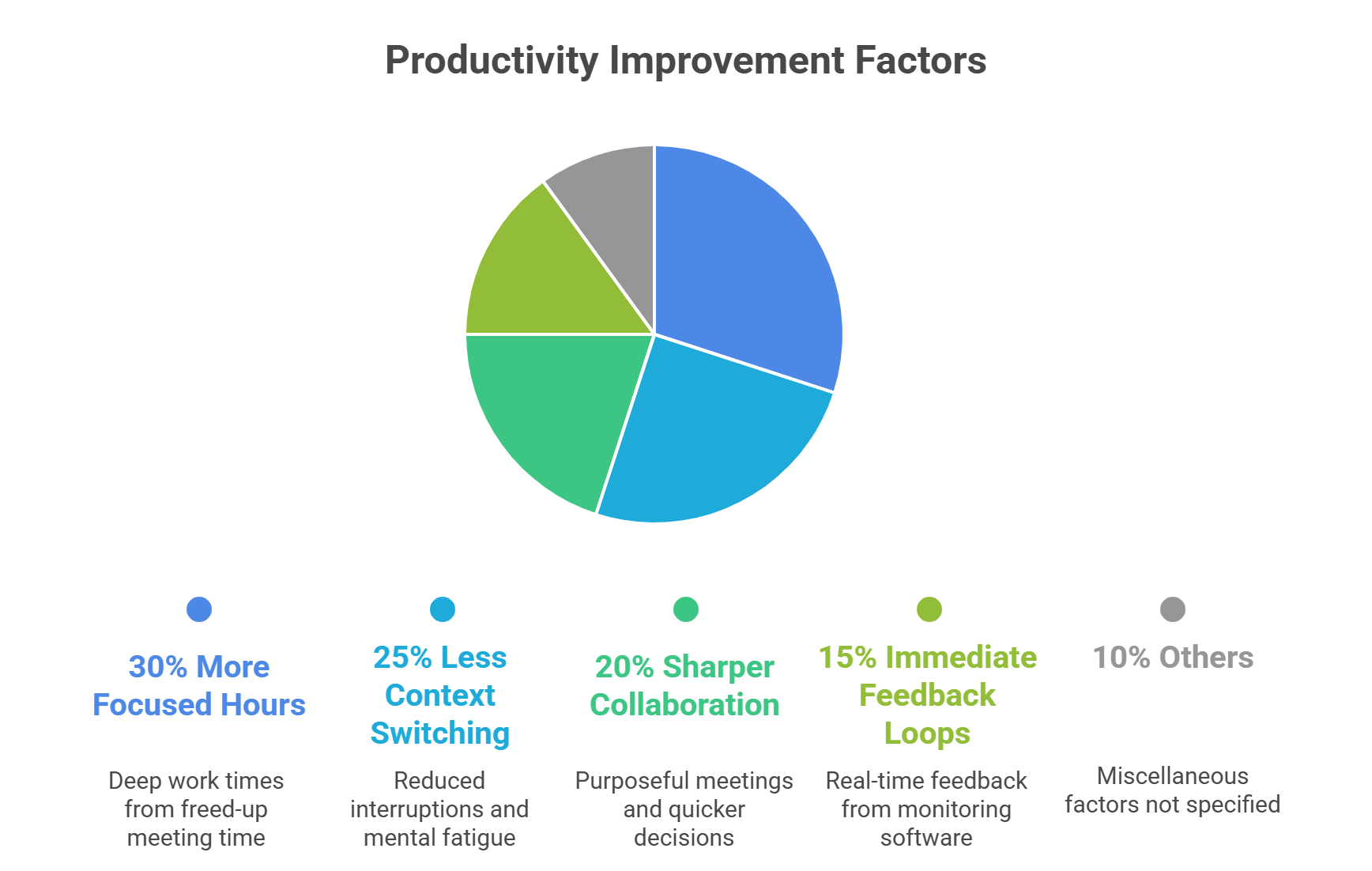
The outcome was not only the positivity that all of us were feeling. The workforce analytics software has given some solid data that no one could ignore.
At first, everyone was curious — Was the difference really visible? We could feel things running smoother, but I wanted to see if the numbers matched what our gut was saying.
So, I pulled out the monthly report:
- More Focused Hours: Employees got deep work times just by freeing up two hours a week from unnecessary meetings. Now, tasks that used to take a full day are getting done within half the time!
- Less Context Switching: People no longer needed to constantly jump between projects, tools, and calls. This brought fewer interruptions, which reduced their mental fatigue and improved their overall output each week.
- Sharper Collaboration: Employees started to find the remaining meetings purposeful. They were involved in shorter discussions, made quicker decisions, and made follow-ups clearer. The collaboration process started creating more value instead of draining energy.
- Immediate Feedback Loops: The productivity monitoring software’s data helped everyone get feedback on real-time loops. So, everyone can take actionable insights from their projects without waiting for reviews.
When I finally shared the full report with the leadership team, my CEO could do nothing but be convinced that it’s the best thing that they have achieved:
- Overall productivity up by 30%
- Average project delivery time reduced by 25%
- Client satisfaction scores are climbing steadily.
- Team burnout complaints have dropped to almost zero.
Turn your productivity data into ROI reports
Closing
It’s easy to go with the flow. To keep doing things the way they’ve always been done. The old system might feel familiar, even safe.
But trust me, it’s worth taking the leap. Especially now, when technology can give you the real data behind every decision, you have every reason to try something new. Use it to your aid, let it guide you instead of being left out.
That’s the biggest lesson I’ve learned from our new office journey.
If I hadn’t questioned the old work habits or dared to try a new tool, my team would still be stuck in that loop of low productivity and constant chaos. Sometimes, all it takes is one bold step and a bit of trust in innovation. To completely change how a team works.
About Author