The Monitoring Policy that Employees Wrote Themselves (and why it works better)
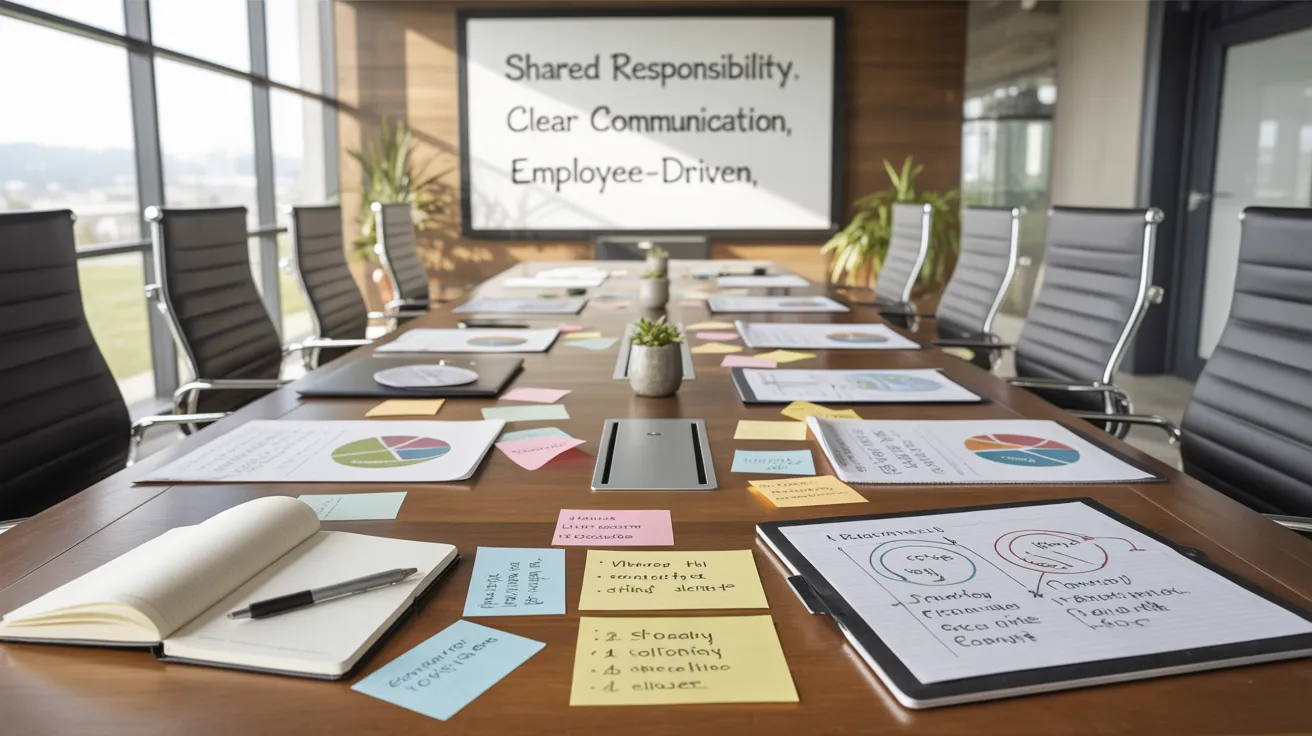
The people who are being monitored know their work better than anyone else. They know what metrics actually reflect their effort, and what numbers are just noise.
In our company, it was our goal to help the employees understand the policies. But no matter how thoughtfully we tried to frame it, any rule coming from management felt like surveillance to them.
So, we flipped the script.
We asked: “What would make monitoring feel fair?”
Here’s what they came up with:
- Everyone gets to see their own data first.
Before any report goes to a manager, employees can review and analyze their own time logs, activity levels, and app usage. - Focus hours stay private.
During deep work sessions, the tool only tracks active time without screenshots or activity details. - Transparency over surveillance.
They preferred transparency using the employee monitoring software. Soon, the dashboard became a shared space for all. Employees, team leads, and HR could all see productivity trends without digging into personal details. - Breaks are counted as part of productivity.
They insisted that recovery time mattered just as much as task time, and the tracking reflected that. - Data for improvement, not discipline.
The purpose of the tool shifted to spotting patterns that could be improved.
The same employee monitoring tool that once made people nervous was now something they actively used to track progress and set goals for themselves.
Start tracking time with transparency
How These Self-made Rules Improved Performance and Trust?
Once the employees set their own monitoring policy, this was the first time there was no violation of the rules.
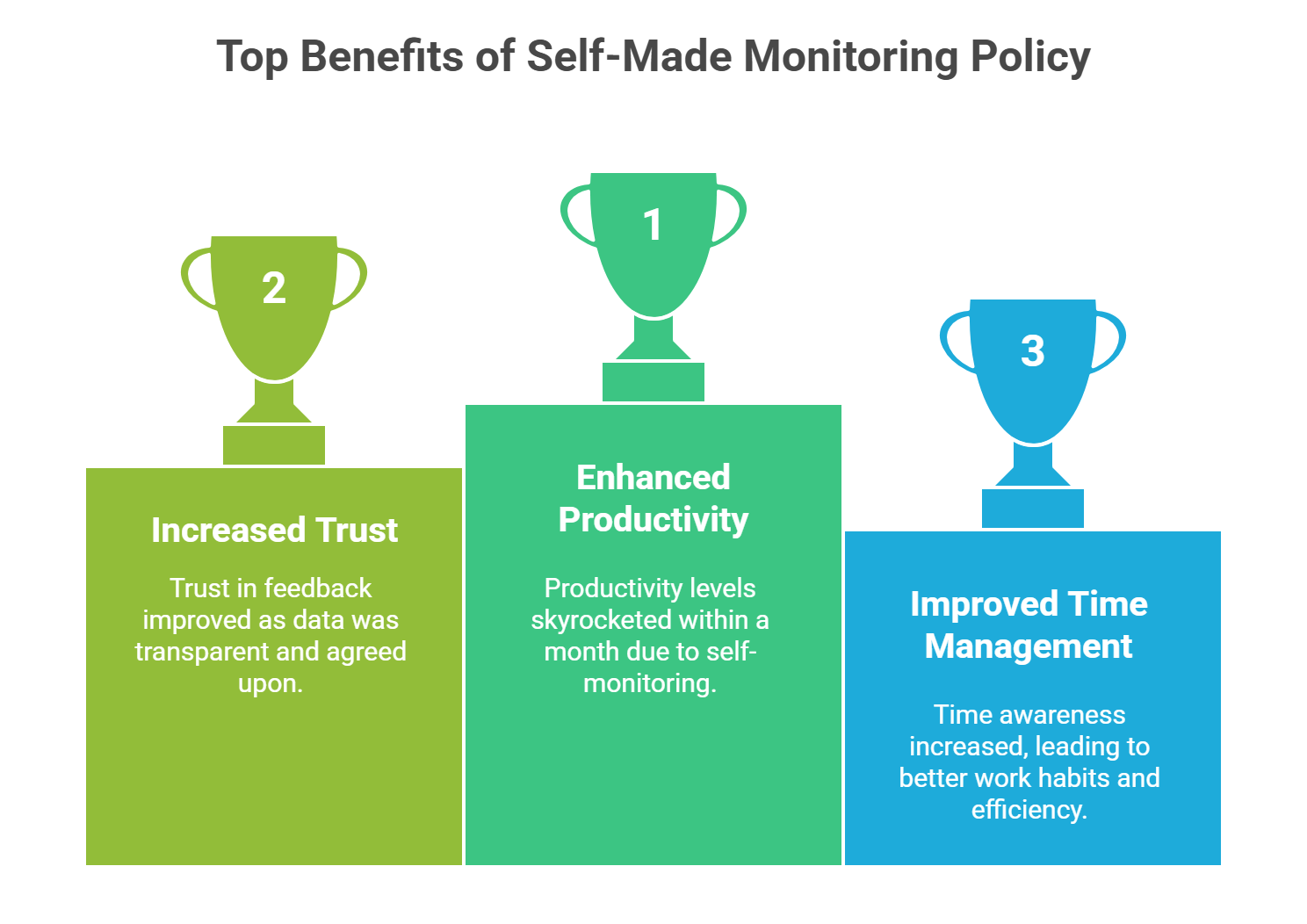
…and to our surprise, all of their productivity levels skyrocketed within a month.
Here’s what we found:
- Better time awareness: People started checking their own dashboards to track how long tasks actually took and adjusted their work habits accordingly.
- Trust in the Feedback: Since data on activity and progress were already visible in the employee monitoring tool, they started trusting their work feedback instead of questioning it.
- Fewer unnecessary meetings: There was a positive competition on improving the percentage of their productive hours. So, they preferred hanging tasks asynchronously instead of interrupting their own or others’ workflow.
- More ownership of work: Employees began setting personal goals using their tracked data, which led to more focused output without external reminders.
- Improved trust between teams and managers: Because the monitoring rules were transparent and agreed upon, there was no tension or fear around data usage.
- Healthy work rhythms: Employees learned when to step back, take breaks, and return with more energy. Even the recovery periods actually improved their consistency.
Build trust through transparent tracking
Why It Worked?
The policy worked because the employees created it themselves. They were solutions to problems that the employees already faced themselves.
When people set the rules, they understand them better. They also feel responsible for following them.
Meanwhile, trust played a big role here, too. Management showed faith in the employees instead of enforcing strict monitoring. This made the team feel valued and respected.
It literally gave them–
Ownership: Employees follow rules they set themselves.
Clarity: Everyone understands expectations and consequences.
Trust: Management shows faith in employees, which boosts morale.
When our troops had ownership, understood what was expected, and felt trusted, they started caring more about their work.
Rules stop feeling like restrictions and start feeling like a shared agreement. And that’s when real motivation and teamwork naturally followed.
Give your team ownership of their data
Closure
When employees are part of the process, rules become more than just instructions. Instead, they become a shared commitment for the entire work culture. Involving people in creating policies builds trust, encourages responsibility, and leads to better results.
Sometimes, giving people ownership is the simplest way to achieve the most.
About Author