Loneliness is Reshaping Your Workplace - Use Monitoring to Spot Silent Disengagement, Not to Surveil
After two terminations in a row, one of our sales team members just shut himself in the restroom.
He chose to work all alone and rarely communicated with others. Once, he was always the center of talk. But, this initiative got us shocked and more concerned about him!
To our surprise, he got a complete U-tern before the next evaluation. He started meeting the deadlines more efficiently and handling more happy customers than before!
How was that possible? Let’s see the journey of loneliness in his eyes—
A New Initiative to Keep Things Fair
To be honest, we did not want to be too picky here. We wanted him to overcome his hurdles on his own, but we were ready to give a hand if he needed it.
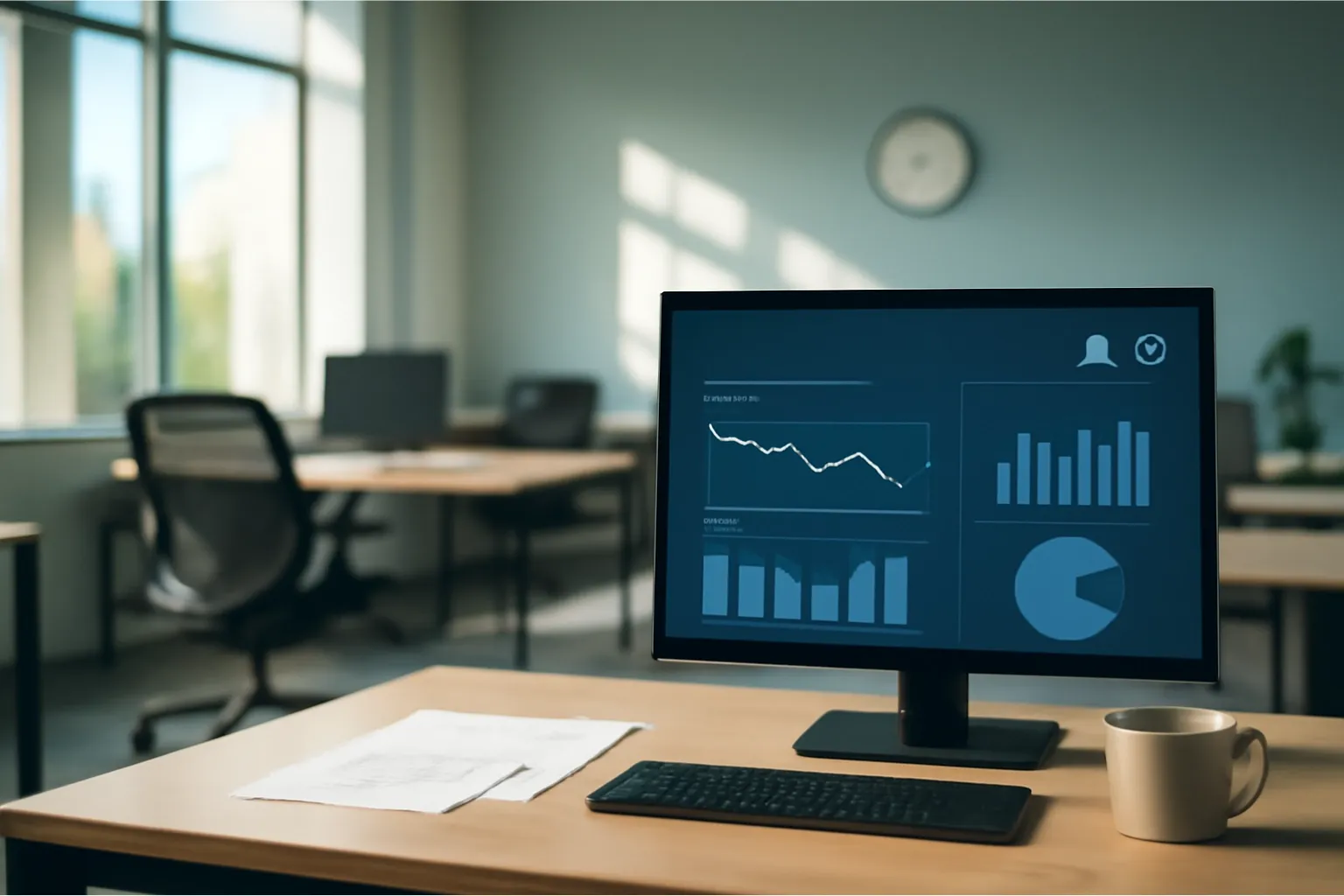
So, instead of stopping him from working alone, I chose the employee monitoring software to understand his work patterns. Though I did not feel right to look into others’ data, we could not just let others guess he is not working by locking him in the room.
How We Tracked the Data
Instead of just tracking that single employee’s data, I went on to apply this tool to everyone.
Why?
Cause it would give us a clear, unbiased picture of how the whole team is actually working instead of his only.
Here’s what the tool helped us track–
- See data on when each person hit their most productive hours.
- How much time someone spent on deep work versus data on reactive tasks.
- Which projects caused the most context switching?
- When someone was feeling burned out.
Our purpose in tracking the detailed data was to find the silent disengagement behind their workflow. We preferred finding the real cause behind it instead of using the tool as surveillance.
Track productivity patterns, not just people
The Unexpected Truth!!
After a few weeks, we found a lot of data about the entire team that was beyond our imagination.
Firstly, we found that the team member who got back-to-back terminations was surprisingly improving. To our surprise, he was finally reshaping the way he works by getting his work done in loneliness. But, firstly, we all thought his decision to stay isolated would drag his performance down.
But the real twist came when we looked at the rest of the team.
Some of the people we had always considered “top performers” were actually struggling to maintain consistency. Their charts showed constant context switching, shorter focus windows, and longer idle times.
See who's struggling behind the metrics
How the Terminated Employee Reshaped His Productivity
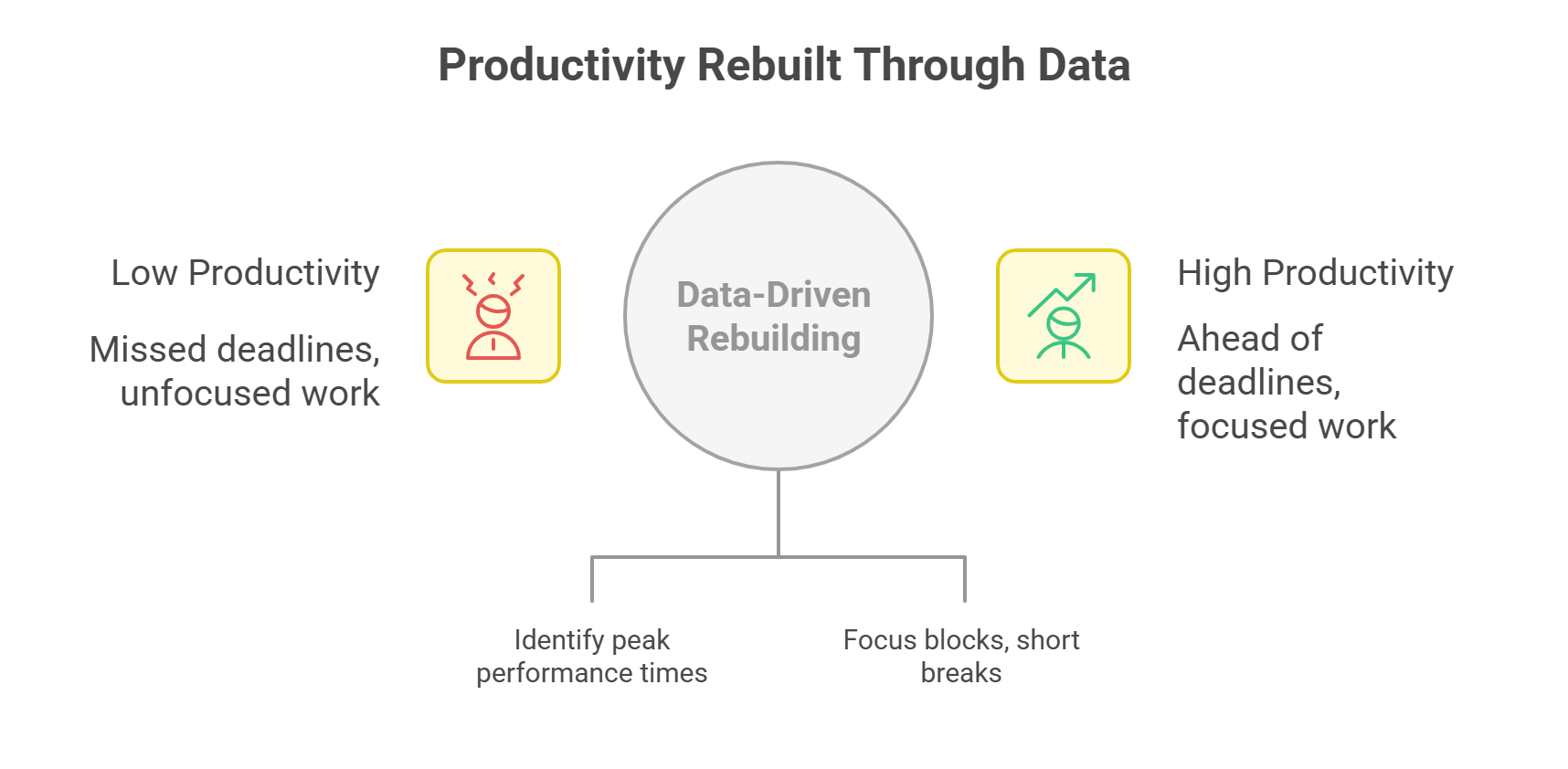
Once we gave him access to the productivity monitoring tool, he used the data to rebuild his work pattern. The software showed him exactly when he worked best, how long he could stay in deep focus before getting distracted, and which tasks drained his time.
He used that information to rebuild his day from scratch. Here’s what he did–
- He stopped multitasking.
- Broke his projects into smaller milestones,
- Created short focus blocks with short breaks in between.
Within a month, his average productivity score jumped by almost 40%, and for the first time, he was submitting work ahead of deadlines.
Help your team find their optimal focus rhythm
How We Helped the Struggling Employees
What worked for that sales team member to find his flow may not work for others. And this became the challenge, we enabled the access of the employee monitoring data to all.
We allowed them to understand their work pattern on their own. Why did we prefer that?
Cause when employees look at their own individual data, they will become more knowledgeable about how their focus works. They will be able to visualize what makes them distracted, what type of tasks drain their energy.
With that data in hand, they will be more proficient in analyzing and testing their small initiative more effectively.
What Was The Result?
After months of this new employee disengagement, we found the whole team reshaping the way they work.
Everyone now understands their own workflow and plans their days around it. I no longer have to point out performance issues during evaluations. Instead, our meetings turned into open conversations about growth, ideas, and what helps each person perform at their best.
People became more aware of when to push harder and when to step back. Productivity improved, but more importantly, so did the sense of balance and confidence across the team.
Final Notes
There was a time when we used to think that those who can meet deadlines are the best employees and don’t need any enhancement in their work patterns. But little do we know, behind all check marks, there still could be hurdles that stop your best employees from meeting their best.
An employee monitoring tool does not work as a surveillance neither criticizes one. It helps employees find their good and best, helps them improve, and helps them work more efficiently within the least amount of time.
So, if you are looking to build a team that grows with awareness, start by giving them the right data, not doubt.
About Author